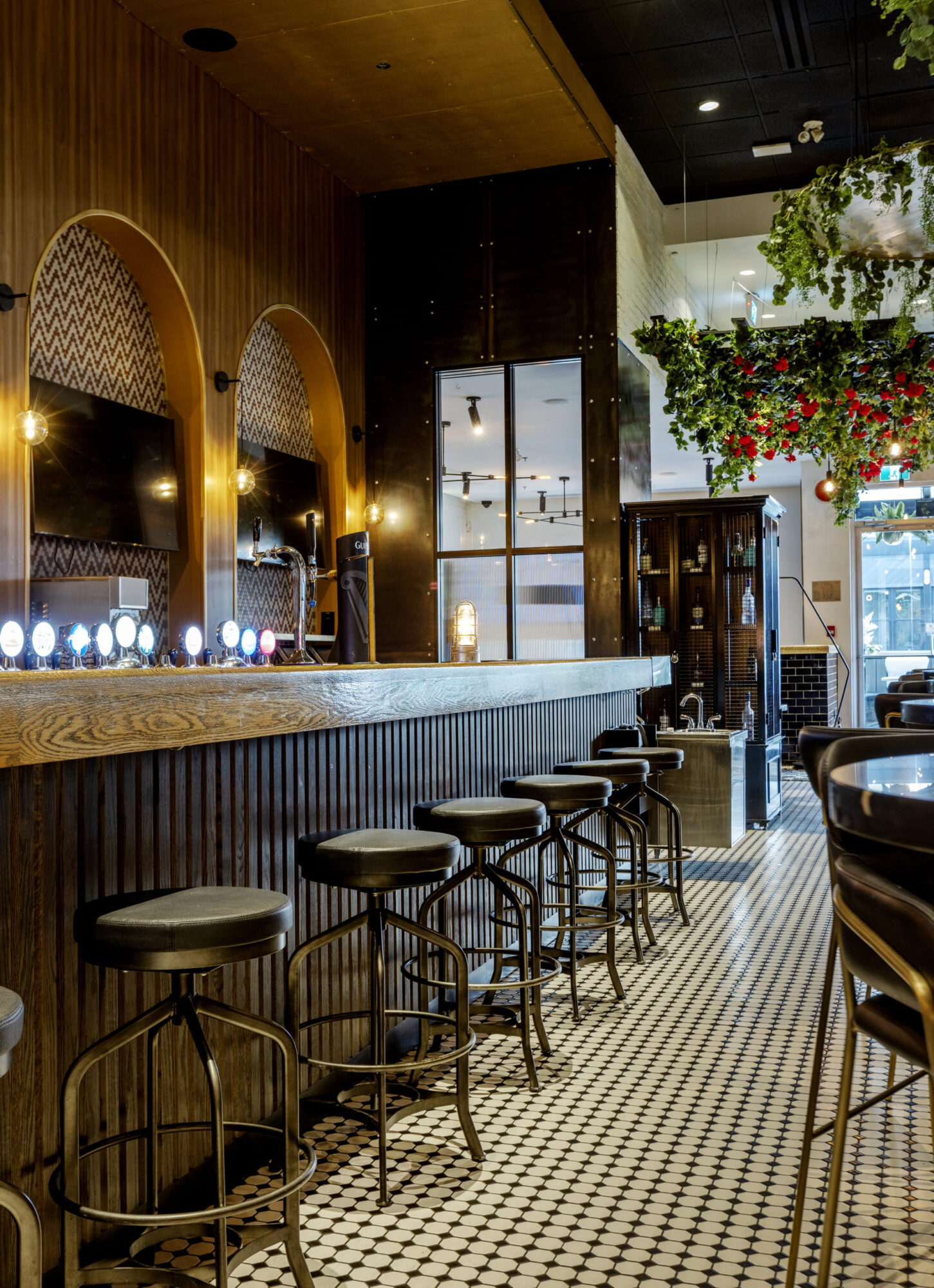
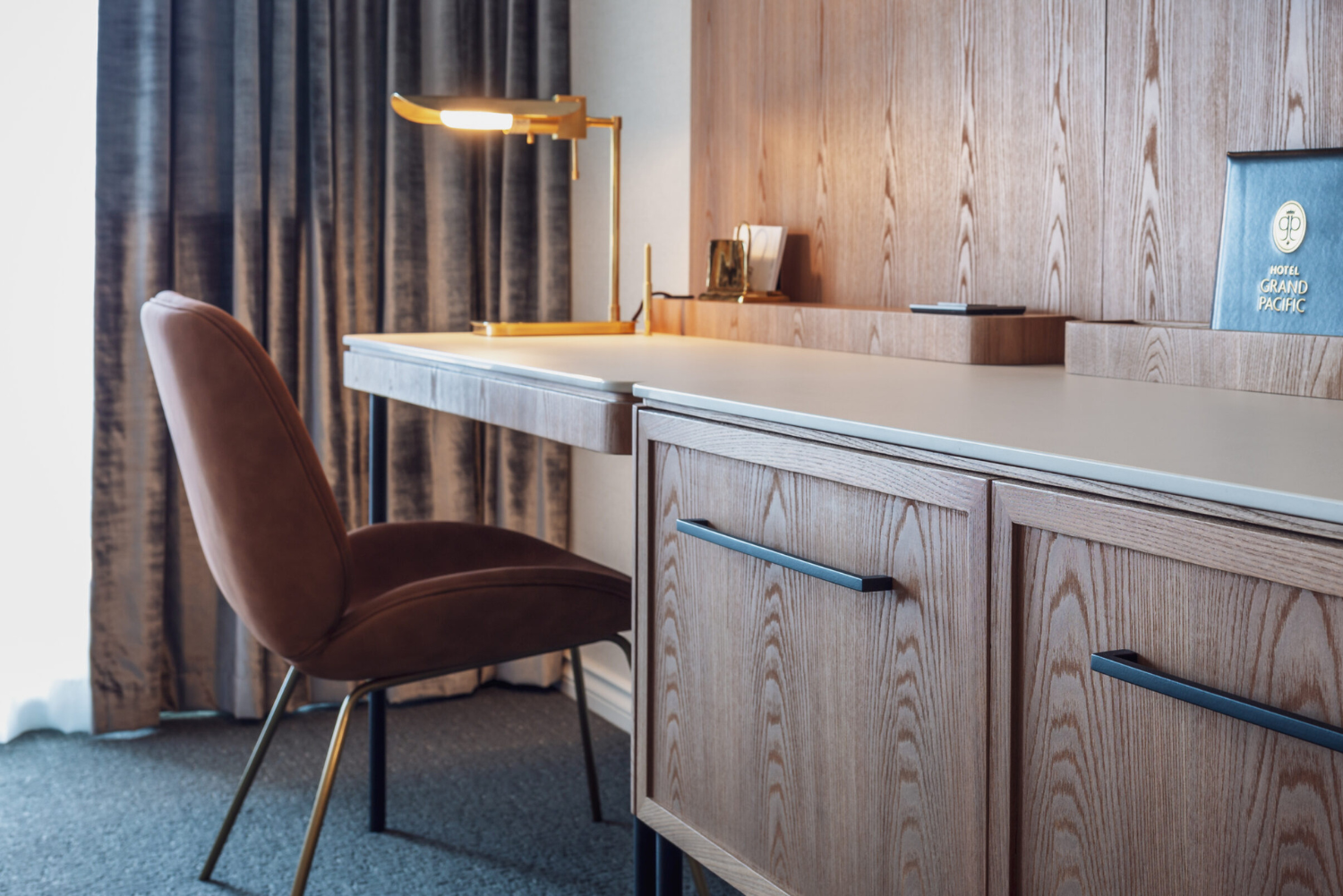
Why Seating Has Become a Strategic Decision in Hotels & Restaurants
In both hotels and restaurants, seating is no longer a background design element — it’s a major contributor to guest experience, revenue, and brand identity.
Whether you’re redesigning a hotel lobby, renovating a restaurant dining room, developing a new concept, or expanding a national chain, your seating choices can influence:
- guest comfort and dwell times
- operational flow and table turnover
- overall guest satisfaction
- commercial durability and maintenance costs
- long-term brand consistency
For 2025 and beyond, leading hospitality groups are prioritizing commercial-grade seating that blends design, durability, sustainability, and performance — all without compromising on aesthetic impact.
Here are the top trends shaping the future of hotel and restaurant seating, and how brands can get ahead of the curve.
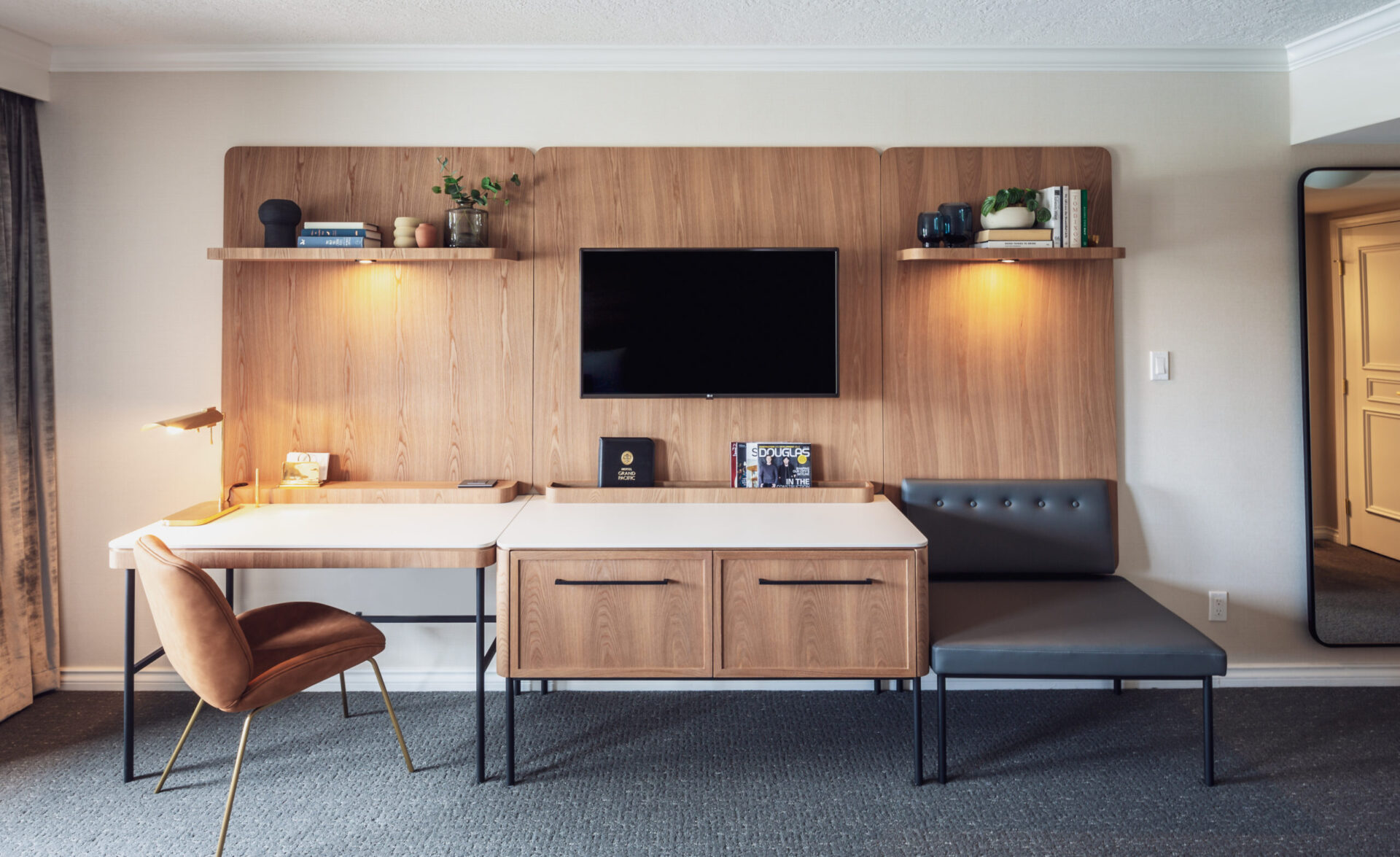
Trend 1: Comfort-First Seating That Enhances Guest Experience
The rise of “stay longer, spend more” strategies in both hotels and restaurants has shifted focus toward comfort-driven seating.
What guests want:
- supportive backrests
- ergonomic angles
- plush layered foam
- generous proportions
- fabrics that feel premium
- lounge-style seating in both lobbies and dining areas
What operators want:
- commercial-grade foam that holds shape
- upholstery that resists wear and staining
- seating that keeps guests comfortable without overstaying
- durability that reduces maintenance and replacement costs
CFS Hospitality designs seats engineered for heavy use while maintaining premium comfort — ideal for hotel lobbies, lounges, casual dining, upscale restaurants, and high-capacity concepts.
Brands that embrace the next generation of commercial-grade seating will stand out in a competitive hospitality landscape.

Trend 2: Mixed-Material Seating for a Modern, Elevated Look
Hotels and restaurants are embracing mixed-material seating to create warmth, texture, and visual interest.
Common combinations include:
- metal frames + wood armrests
- upholstery + cane/rattan accents
- powder-coated steel + curved ply
- leather or polyurethane fabrics + contrast piping
- soft seating paired with solid wood details
This aesthetic provides a premium look while enabling high durability.
CFS Hospitality frequently manufactures mixed-material seating for brands like Cactus Club, CHOP, and other high-design concepts that require both style and longevity.
Trend 3: Modular & Flexible Seating for Multi-Functional Spaces
Hotel lobbies and restaurant spaces now serve multiple roles:
- remote work
- informal meetings
- cocktail service
- breakfast traffic
- waiting/lounge areas
- social gathering spaces
This drives demand for modular seating that can adapt quickly.
Examples include:
- sectional lobby seating
- modular banquettes
- movable lounge chairs
- ottomans that double as seats or tables
- reconfigurable soft seating for events
Hotels especially benefit from modular seating because it allows one space to function as a lounge, meeting area, co-working environment, and overflow dining space — all without sacrificing design.
CFS Hospitality produces modular pieces engineered for durability and consistent brand standards across multiple hotel locations.
Trend 4: Sustainable & Performance-Focused Materials
Sustainability is now a core requirement for many hotel groups and national restaurant chains.
Key material trends include:
- FSC-certified wood
- water-based finishes
- eco-friendly foam options
- recycled-content fabrics
- durable vegan leathers (PVC, PU, and silicone-based)
- materials designed for long lifecycle performance
Operators want sustainability without sacrificing durability, and CFS Hospitality supports this through compliant materials, engineered construction, and environmentally conscious finishing options.
Trend 5: Oversized Lounge Chairs & Soft Seating in Dining Environments
More restaurant concepts — especially premium casual, bar-lounge formats, and high-volume dining rooms — are incorporating soft seating elements typically found in hotel lobbies.
Why this trend is growing:
- Adds comfort and luxury
- Extends dwell time in bar/lounge areas
- Creates Instagram-friendly zones
- Enhances premium guest experience
- Encourages longer stays (higher check averages)
We are seeing the same trend in hotel public areas, where oversized lounge seating enhances lobby ambiance and transforms the space into a revenue-generating social environment.
Trend 6: Booth Seating Remains King — But Evolving
Booth seating continues to dominate restaurants and hotel dining areas because of:
- privacy
- comfort
- acoustics
- efficient use of floor space
- ability to control the guest experience
The evolution includes:
- sculpted forms
- channel back details
- curved booths
- booth walls with integrated lighting
- mixed upholstery materials
- modular banquette systems
CFS Hospitality specializes in custom-engineered booth seating that withstands years of commercial use while meeting design intent for both hotels and restaurants.
Trend 7: Durability Becomes a Design Requirement (Not an Afterthought)
Decision-makers are increasingly prioritizing commercial durability as a key part of the design conversation.
Hotels and restaurants now ask:
- Will this fabric withstand 100,000+ rubs?
- Is the foam density built for high-volume use?
- Will the joinery survive daily movement?
- Can this piece handle heavy commercial cleaning?
- Is the metal properly welded and finished?
CFS Hospitality’s engineering team focuses on exactly these questions, providing:
- robust joinery
- reinforced frames
- abrasion-rated fabrics
- contract-grade foams
- moisture-resistant finishes
- commercial coatings
- hospitality-tested construction
This ensures seating looks good not only on opening day — but for the lifespan operators expect.
How Hotels & Restaurants Can Choose the Right Supplier for Future-Ready Seating
Seating trends evolve, but one fact doesn’t:
Your supplier determines how well your seating will perform in real hospitality environments.
Here’s what hotels and restaurants should look for:
Commercial-grade engineering expertise
Not residential or retail suppliers.
Ability to scale for multi-location roll-outs
Critical for national restaurant groups and hotel chains.
Custom manufacturing capabilities
For brand-specific seating and unique design concepts.
Proven history with high-capacity hospitality brands
CFS Hospitality supplies national groups such as:
Cactus Club, Moxies, CRAFT Beer Market, CHOP Steakhouse, Browns Restaurant Group, LOCAL Public Eatery, JOEY, and more.
Experience with both hotels & restaurants
Ideal for hotel lobby seating, restaurant seating, bars, lounges, and public-area spaces.
Predictable lead times & logistics coordination
Especially important for construction schedules and phased openings.
Why Leading Hotels & Restaurants Choose CFS Hospitality
CFS Hospitality is a trusted supplier for hospitality groups across North America because we deliver:
- Contract-grade engineering for real-world performance
- Custom and standard seating solutions
- Global manufacturing with North American project oversight
- Consistency across multi-location projects
- Expertise in brand-standard development
- Durable seating designed to last until the operator refreshes the design, not because it fails
- A partnership-first approach with designers, GCs, and ownership groups
We build seating designed for today’s hospitality environments — and tomorrow’s trends.
Conclusion: The Future of Seating Is Durable, Design-Driven, and Experience-Led
As hotels and restaurants continue evolving, seating has become a strategic investment that impacts:
- guest experience
- operational flow
- ROI
- brand identity
- long-term performance
Brands that embrace the next generation of commercial-grade seating will stand out in a competitive hospitality landscape.